
Capitol Riverfront is a 460-acre neighborhood situated between I-395 and the Anacostia River smartly designed to give businesses, residents, retail, and guests an exciting environment to explore, connect, and thrive. New restaurants, retail, hotels, residences, and office spaces are opening every month in Capitol Riverfront, DC's fastest growing neighborhood. There is always something new to discover in DC’s largest and most dynamic waterfront neighborhood.

LIVE HERE. Capitol Riverfront offers urban-minded tenants a distinctly DC experience that speaks to more of what matters in family, work, and life. It's an active community whose year-round recreation and programming options excite creativity and invite curiosity. Today’s construction activity in Capitol Riverfront will result in a doubling of housing inventory, and by 2018 almost 10,000 residents will call this neighborhood home. Living in the highly walkable Capitol Riverfront puts more of what matters closer at hand, from big-league sporting and signature events to an expanding inventory of grocery stores, restaurants, and other retail. Enjoy easy access to Metro’s green, orange, blue, and silver lines; DC’s beautiful riverfront and vibrant parks; and a growing community of residents who value city living and waterfront relaxation as much as you do.
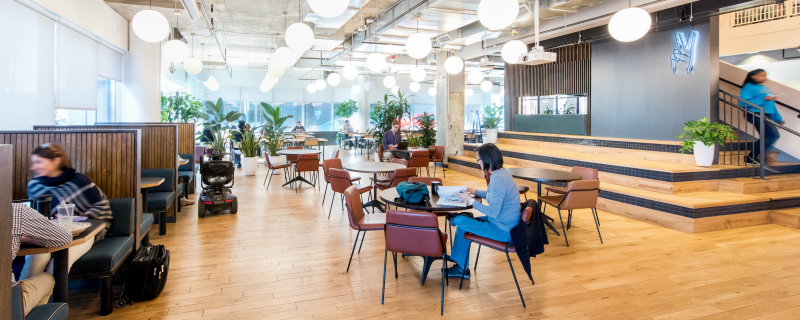
WORK HERE. Capitol Riverfront is home to almost 6.2 million square feet of private office space, and the neighborhood’s office inventory offers a premium location at discount prices. Located just five blocks to the south of the US Capitol with direct access to I-295 and I-395 and Metrorail’s Green Line (Navy Yard-Ballpark station), Capitol Riverfront has all of the urban amenities of the District with office space priced at $10 - $15 less per square foot than the central business district. The neighborhood is attracting a new wave of office tenants like popular co-working space WeWork as well as media companies, associations, and non-profits such as CBS Radio, National Association of Broadcasters, National Labor Relations Board, Michigan State University, and The Trust for Public Land.
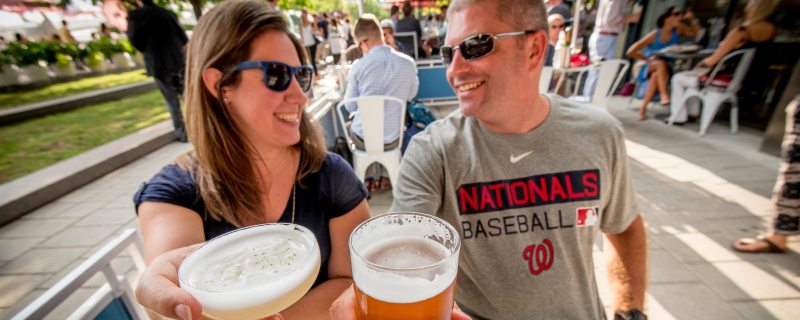
DINE HERE. Try a different restaurant every day of the week. With over 85 restaurants and growing, you won’t tire of the food choices in Capitol Riverfront. Local favorites include newly opened District Winery, Chloe by Hadair Karoum, and The Salt Line, as well as Osteria Morini, Bluejacket Brewery, award winning ice cream shop Ice Cream Jubilee, TaKorean, and many more. Come discover what’s new in Capitol Riverfront.

PLAY HERE. Do you like having fun outdoors? Come enjoy free fitness classes, free Friday night concerts in Yards Park, festivals throughout the year, and ice skating in Canal Park. Jog along the Anacostia Riverfront Trail, rent a kayak at Ballpark Boathouse, take a trapeze class, or cheer on the Nationals and DC United. In Capitol Riverfront, we do this every day.
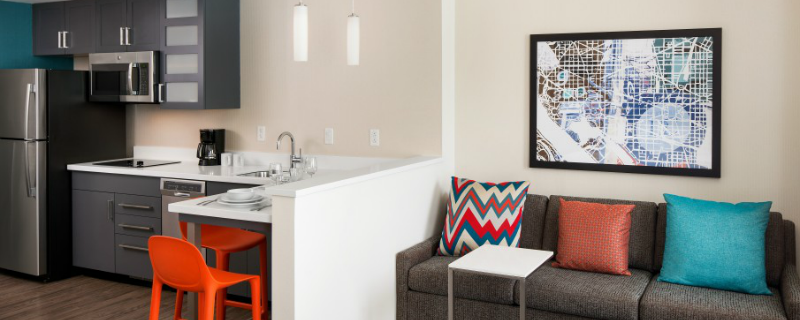
STAY HERE. Capitol Riverfront is a fun and convenient tourist destination. Whether you’re visiting DC for business or for pleasure, solo or with a group, the Capitol Riverfront rewards with attractions, hospitality, and events that you'll want to explore, share, and revisit. Staying in the Capitol Riverfront will let you experience one of DC’s most vibrant neighborhoods while remaining very close to the Walter E. Washington Convention Center, National Harbor, DC’s central business district, the National Mall, and US Capitol.